

Coromandel Peninsula Travel Guide

Coromandel Peninsula is one of New Zealand's most popular coastal destinations, known for its beautiful beaches, native forests, dramatic coastline and relaxed seaside towns. From Cathedral Cove and Hot Water Beach to New Chums Beach, Coromandel town and the rugged eastern coastline, the peninsula offers a wide range of things to see and do. This Coromandel travel guide covers the region's main attractions, beaches, outdoor experiences and places to visit to help you plan your time in the Coromandel.
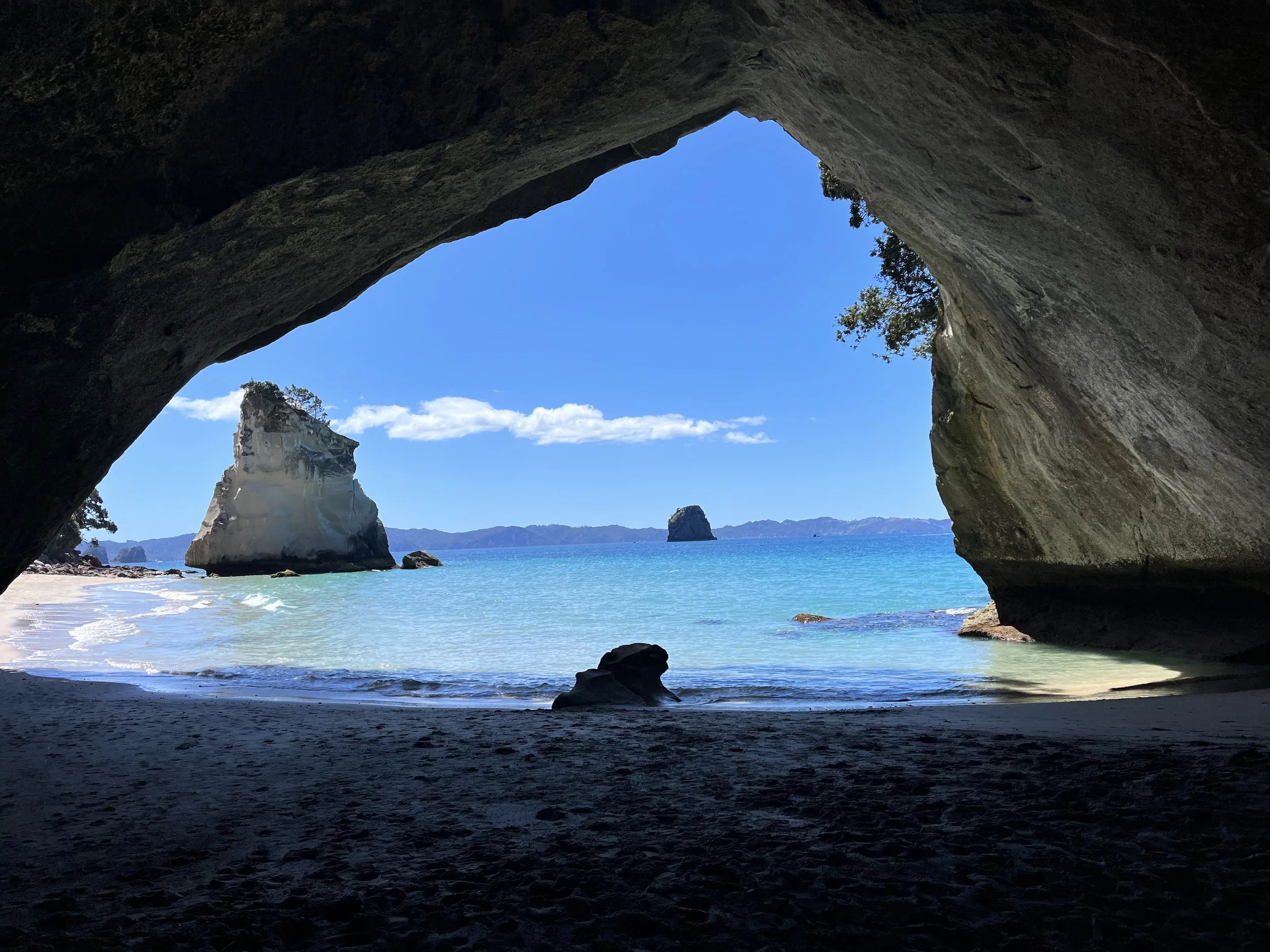
Una muestra de lo que el Coromandel tiene para ofrecer…
-

Pesca
Lanza una línea en las fértiles aguas del Coromandel, un destino de primer nivel para los pescadores que buscan pargos trofeo y peces rey que luchan duro. Ya sea que esté surfeando desde playas doradas o dirigiéndose a alta mar en un charter profesional, la península ofrece clase mundial aventuras de pesca en un entorno costero impresionante.
-

Cathedral Cove
Accesible en barco o en un pintoresco paseo costero, Cathedral Cove es una de las maravillas naturales más fotografiadas de Nueva Zelanda. Esta reserva marina cuenta con un enorme arco de piedra caliza, arenas blancas prístinas y aguas turquesas— que ofrecen un entorno inolvidable para nadar, hacer snorkel y tomar fotografías.
-
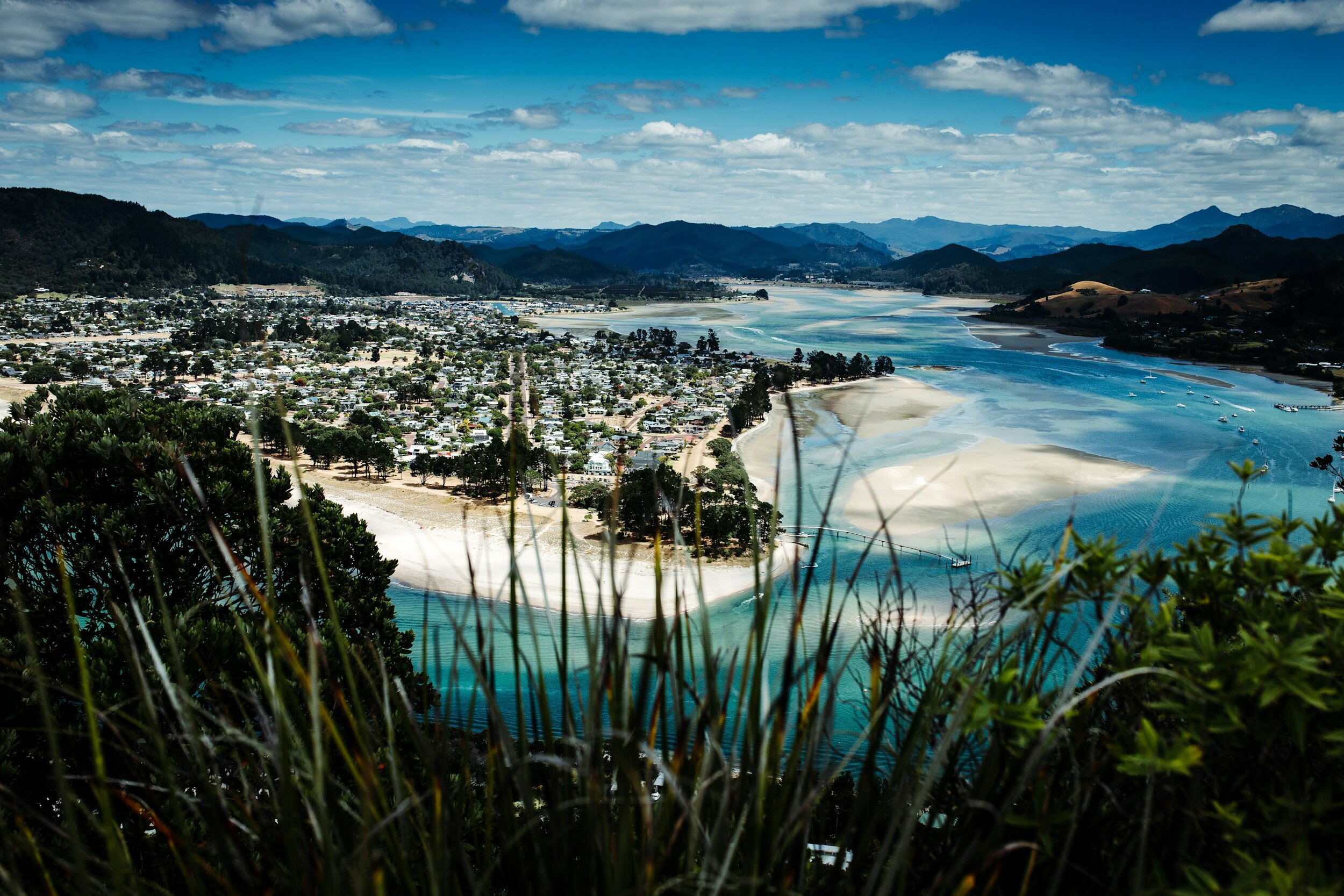
Playas prístinas
De las mundialmente famosas arenas termales de Playa de agua caliente Para el paraíso intacto de New Chums, el Coromandel cuenta con la costa más espectacular de Nueva Zelanda. Ya sea que busque la tranquilidad de la Bahía de Opito o los icónicos acantilados de Cathedral Cove, estas aguas cristalinas ofrecen el mejor escape del Pacífico.
Coromandel Peninsula Travel Guide
Coromandel Peninsula is one of New Zealand's most popular coastal destinations, known for its beautiful beaches, native forests, dramatic coastline and relaxed seaside towns. From Cathedral Cove and Hot Water Beach to New Chums Beach, Coromandel Town and the rugged eastern coastline, the peninsula offers a wide range of things to see and do. This Coromandel travel guide covers the region's main attractions, beaches, outdoor experiences and places to visit to help you plan your time in the Coromandel.
Why Visit the Coromandel Peninsula?
The Coromandel Peninsula combines some of New Zealand's most recognisable coastal scenery with native forest, walking tracks, beaches and small seaside communities. The region is close enough to Auckland and Hamilton for shorter trips, while its size and variety also make it well suited to a longer North Island itinerary.
The eastern side of the peninsula is particularly well known for its beaches and coastal landscapes, while the interior is characterised by forested hills, winding roads and historic gold-mining areas.
For visitors looking to experience a more relaxed side of New Zealand, the Coromandel offers opportunities to explore at a slower pace, with time for beaches, walks, local food, wildlife and outdoor activities.
Cathedral Cove
Cathedral Cove is one of the Coromandel Peninsula's most famous attractions. Located near Hahei, the spectacular coastal landscape features cliffs, rock formations, clear water and the distinctive natural arch that gives the cove its name.
The area is best experienced as part of a wider visit to the eastern Coromandel, with Hahei, nearby beaches and other coastal experiences providing plenty to explore.
Access arrangements can vary depending on track conditions, weather and local restrictions, so it is important to check current access information before travelling.
Cathedral Cove can also be experienced from the water, with kayaking and boat-based experiences offering a different perspective of the coastline and surrounding marine environment.
Playa de agua caliente
Hot Water Beach is another of the Coromandel's best-known attractions. At low tide, visitors can dig into the sand and discover naturally heated water rising from underground geothermal springs.
The experience is highly dependent on the tides, so checking the tide times is essential when planning a visit. The best time to enjoy the hot water is generally around low tide, when the springs can be accessed from the beach.
Hot Water Beach is close to Hahei and Cathedral Cove, making it easy to combine several of the Coromandel's most popular coastal attractions in one itinerary.
Hahei
Hahei is a small coastal settlement and an important base for exploring the eastern Coromandel.
The area is surrounded by beaches, coastal walks and marine attractions, with Cathedral Cove and Hot Water Beach both nearby. Hahei Beach itself is a beautiful place to relax, swim when conditions are suitable or simply enjoy the coastal scenery.
For travellers exploring the Coromandel, Hahei is a useful place to slow down and spend some time rather than simply visiting the major attractions and continuing on.
Whitianga
Whitianga is one of the Coromandel's main seaside towns and a popular base for exploring the eastern peninsula.
The town sits on Mercury Bay and offers beaches, cafés, restaurants, accommodation and access to a range of marine and outdoor activities.
Whitianga can be a convenient overnight stop for travellers exploring Cathedral Cove, Hot Water Beach and the wider eastern Coromandel. It is also a good starting point for exploring some of the peninsula's coastal scenery by boat.
Coromandel Town
Coromandel Town is located on the western side of the peninsula and has a strong connection to the region's gold-mining and timber history.
The town has a relaxed character, with historic buildings, local cafés, galleries and small businesses. It provides a useful base for exploring the western Coromandel and the surrounding forests and coastline.
The drive between Coromandel Town and the eastern side of the peninsula is itself part of the experience, with winding roads passing through forested hills and offering glimpses of the rugged landscape.
New Chums Beach
New Chums Beach is one of the Coromandel's most beautiful and secluded beaches.
The beach is surrounded by native forest and has remained relatively undeveloped compared with some of the region's more accessible coastal destinations. Reaching New Chums involves a walk, so suitable footwear and preparation are important.
For travellers who enjoy walking and quieter natural environments, New Chums Beach can be a rewarding addition to a Coromandel itinerary.
Coromandel Beaches
The Coromandel Peninsula is home to a remarkable variety of beaches, ranging from easily accessible coastal settlements to more remote stretches of sand.
Popular beaches and coastal areas include:
Cathedral Cove
Hahei Beach
Playa de agua caliente
New Chums Beach
Whangamatā
Pauanui
Tairua
Opoutere
Each has a different character. Some are suited to swimming and relaxing, while others are better known for walking, scenery, surfing or simply getting away from busier areas.
Weather, tides and sea conditions can change quickly, so visitors should always take local conditions into account when planning beach activities.
Things to Do in the Coromandel
There are plenty of things to do in the Coromandel beyond visiting its famous beaches.
Depending on your interests, a Coromandel itinerary can include:
Exploring Cathedral Cove
Visiting Hot Water Beach
Walking through native forest
Kayaking along the coastline
Taking a boat trip around Mercury Bay
Exploring Coromandel Town
Visiting historic gold-mining sites
Discovering quieter beaches
Enjoying local cafés and restaurants
Fishing and marine activities
Scenic driving
Photography and wildlife experiences
The variety of experiences makes the Coromandel suitable for families, couples, outdoor enthusiasts and travellers who simply want to enjoy New Zealand's coastal scenery.
Walking and Hiking
Walking is one of the best ways to experience the Coromandel Peninsula.
The region contains numerous tracks ranging from short coastal walks to more demanding forest and hill walks. The Coromandel's combination of native bush, coastal cliffs, beaches and elevated viewpoints creates some particularly scenic walking environments.
Popular walks can include coastal routes around Hahei and Cathedral Cove, tracks through native forest and walks associated with historic mining areas.
Track conditions can change because of weather, maintenance and natural hazards, so always check current track information before setting out. Allow enough time for your chosen walk and carry suitable footwear, water and weather protection.
Kayaking and Water Activities
The Coromandel's sheltered bays, rocky coastline and clear coastal waters make the region particularly well suited to water-based activities.
Kayaking can provide an opportunity to explore coastal scenery from the water and see cliffs, caves, beaches and rock formations from a different perspective.
Other marine experiences include boat trips, fishing, swimming, snorkelling and scenic cruises. The best activity will depend on the season, weather, sea conditions and your group's interests.
Scenic Drives Around the Coromandel
Driving around the Coromandel Peninsula is an experience in itself.
The roads wind through native forest, coastal hills and small settlements, with the landscape changing considerably as you travel between the western and eastern sides of the peninsula.
The journey can take considerably longer than the distance on a map might suggest because of winding roads and slower driving conditions. Allowing extra time makes it easier to stop at viewpoints, beaches, cafés and other places along the way.
For visitors with limited time, planning the route carefully is important. Trying to cover too much of the peninsula in a single day can leave little time to actually enjoy the places you visit.
Māori Culture and History
The Coromandel has a long Māori history and is part of a wider landscape shaped by generations of Māori settlement, travel and connection with the land and sea.
The region's natural resources, coastal waters and forests have played an important role in local history. Later European settlement brought timber milling and gold mining, leaving a distinctive historical legacy that can still be seen in parts of the peninsula.
Learning about both Māori history and the region's later development provides a deeper understanding of the Coromandel beyond its beaches and natural attractions.
How Many Days Do You Need in the Coromandel?
The amount of time you need depends on how much of the peninsula you want to explore.
A day trip can work for visitors who want to focus on a small number of highlights such as Cathedral Cove, Hahei and Hot Water Beach.
Two or three days provides considerably more flexibility and allows time for beaches, walks, scenic drives and towns such as Whitianga or Coromandel Town.
For travellers who enjoy outdoor activities or want to explore the peninsula at a relaxed pace, several days can be worthwhile. The winding roads and distance between some attractions mean that allowing more time can make the experience much more enjoyable.
Best Time to Visit the Coromandel
The Coromandel can be visited throughout the year, but summer is particularly popular because of the region's beaches and outdoor activities.
Spring and autumn can provide a quieter experience and are well suited to walking, sightseeing and exploring the towns and coastline.
Winter can be cooler and wetter, but the region still offers scenic drives, forests, historic attractions and coastal landscapes. Some activities are more weather dependent than others, so it is worth checking conditions before travelling.
If visiting Cathedral Cove or Hot Water Beach, consider tides, weather and current access conditions as part of your planning rather than relying only on the season.
Getting Around the Coromandel
A private vehicle is one of the most flexible ways to explore the Coromandel Peninsula because many attractions and beaches are spread across the region.
The peninsula's roads can be winding, and travel times are often longer than visitors expect. A well-planned route can help you spend more time exploring rather than driving back and forth.
Public transport options are more limited in some parts of the peninsula, particularly if you want to visit several attractions in one day.
Private transport can be particularly useful for families and groups who want to combine several destinations without having to manage the driving themselves.
Coromandel as Part of a North Island Itinerary
The Coromandel Peninsula works well as part of a wider North Island journey.
Travellers can combine the Coromandel with Auckland, Hamilton, Hobbiton, Rotorua, Tauranga, Mount Maunganui or other Waikato and Bay of Plenty destinations.
For visitors travelling between Auckland and the central North Island, the Coromandel can provide a very different experience from the major cities and geothermal destinations, with its emphasis on beaches, forests and coastal scenery.
A private itinerary also makes it possible to adjust the amount of time spent in the Coromandel according to your interests, whether you want to focus on beaches and scenery, outdoor activities, local history or a combination of experiences.
Exploring the Coromandel with Great North Tours
Great North Tours can include the Coromandel Peninsula as part of a private customised New Zealand itinerary.
Your itinerary can be planned around the places and experiences that interest your group, with private transport allowing greater flexibility over where you stop and how much time you spend in each location.
The Coromandel can be visited as a dedicated regional experience or combined with other North Island destinations such as Auckland, Hamilton, Hobbiton, Rotorua and Tauranga.
Whether you want to explore the peninsula's famous beaches, experience Cathedral Cove, visit Hot Water Beach, enjoy a coastal activity or simply discover the region at a relaxed pace, the Coromandel can be tailored to fit your wider New Zealand travel plans.
Coromandel Peninsula: FAQs
What are the best things to do in the Coromandel?
Popular things to do in the Coromandel include visiting Cathedral Cove, exploring Hot Water Beach, relaxing at the region's beaches, walking through native forest, kayaking, taking boat trips and exploring towns such as Whitianga and Coromandel Town.
Is the Coromandel Peninsula worth visiting?
Yes. The Coromandel Peninsula is known for its beaches, native forests, dramatic coastline, outdoor activities and relaxed seaside towns. It offers a very different experience from New Zealand's larger cities and is particularly appealing to travellers who enjoy nature and coastal scenery.
What is the Coromandel Peninsula famous for?
The Coromandel is particularly famous for Cathedral Cove, Hot Water Beach, beautiful beaches, native forest, coastal scenery and outdoor activities such as kayaking and walking.
What are the main Coromandel attractions?
Major Coromandel attractions include Cathedral Cove, Hot Water Beach, Hahei, New Chums Beach, Whitianga, Coromandel Town and the peninsula's many beaches, walking tracks and coastal experiences.
How many days do you need in the Coromandel?
A day can be enough to visit a few major highlights, but two or three days allows more time for beaches, walks, scenic drives and towns such as Whitianga or Coromandel Town. Several days are ideal if you want to explore the peninsula at a relaxed pace.
Can you visit Cathedral Cove and Hot Water Beach in one day?
Yes. Cathedral Cove and Hot Water Beach are both near Hahei and can be combined in the same day, although the amount of time available will depend on access, tides, weather and your wider itinerary.
What is the best time to visit the Coromandel?
Summer is popular for beaches and water activities, while spring and autumn can offer a quieter experience for sightseeing and walking. The Coromandel can be visited year-round, although weather and seasonal conditions can affect some activities.
Where should I stay in the Coromandel?
Hahei, Whitianga and Coromandel Town are popular bases, depending on which parts of the peninsula you want to explore. Hahei is convenient for Cathedral Cove and Hot Water Beach, while Whitianga provides access to Mercury Bay and the eastern Coromandel.
Is the Coromandel good for walking and hiking?
Yes. The Coromandel has a wide range of walking and hiking opportunities through native forest and along the coast. Options range from shorter coastal walks to longer tracks, with conditions varying according to weather and track location.
Can you kayak in the Coromandel?
Yes. The Coromandel's coastline, sheltered bays and clear coastal waters provide opportunities for kayaking and other marine activities. Kayaking can offer a different perspective of the region's beaches, cliffs, caves and coastal scenery.
How do you get around the Coromandel Peninsula?
A private vehicle is one of the most flexible ways to explore the Coromandel because attractions and towns are spread across the peninsula. The roads can be winding, so journey times are often longer than they appear on a map.
Can the Coromandel be included in a private New Zealand tour?
Yes. Great North Tours can include the Coromandel Peninsula in a private customised New Zealand itinerary, combining destinations such as Cathedral Cove, Hot Water Beach, Whitianga or other Coromandel experiences with Auckland, Hamilton, Hobbiton, Rotorua or other North Island destinations.